หน้าแรก
» เทคโนโลยี
»
Where to Study Elder Care Management and Smart Healthcare Tech: Programs to Compare for 2027
Where to Study Elder Care Management and Smart Healthcare Tech: Programs to Compare for 2027
If you want a career that combines better services for older adults with digital health, AI, connected devices, or healthcare innovation, the hardest part is often not finding a university. It is choosing the right kind of degree.
“Elder care management” and “smart healthcare tech” sit across several academic fields. Universities may call them aging services management, gerontology, long-term care administration, gerontechnology, applied technology and aging, digital health, health informatics, or health data science. Those labels are not interchangeable. A management program may teach operations and policy with only limited technical depth, while an AI-heavy program may never focus specifically on older adults.
Verified as of September 2026: there are current graduate programs that cover each side of this intersection, and at least one program—USC’s Master of Science in Applied Technology and Aging—was designed specifically around technology and aging. What still depends on the applicant: the best program depends on the job you want, your quantitative background, whether you need online study, and the professional rules where you plan to work.
Action: Before comparing school rankings, write down the role you want five years after graduation: senior living executive, long-term care administrator, age-tech product leader, digital health entrepreneur, health informatics specialist, or health data/AI professional. That choice narrows the field much faster than a generic search for “smart healthcare.”
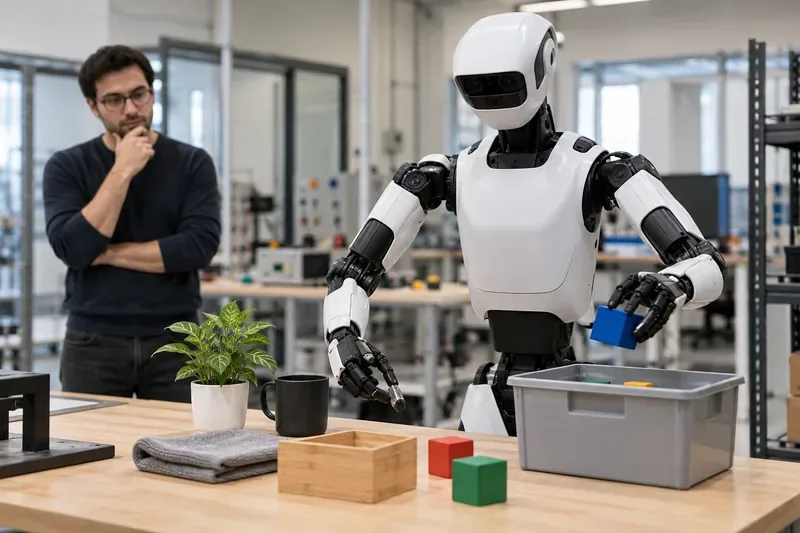
Aging-focused care and digital tools increasingly overlap, but academic programs differ in whether they emphasize management, gerontology, product innovation, informatics, or data science.
First, clear up the biggest misconception: “smart healthcare tech” is not one standard degree
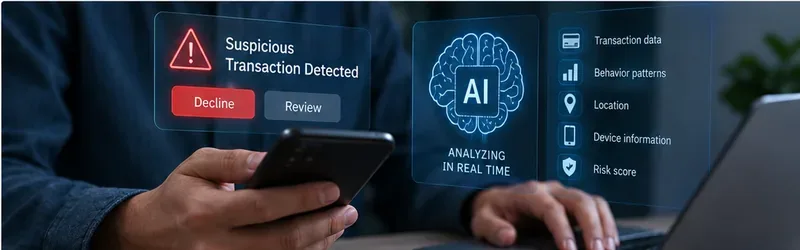
The World Health Organization describes digital health broadly enough to include artificial intelligence, health data, health information systems, connected devices, interoperability, telemedicine, and related technologies. That breadth explains why universities use very different degree names for programs that may all look relevant to “smart healthcare.” See the WHO digital health overview.
Verified: current programs use titles such as Digital Health and Entrepreneurship, Health Data Science and AI, Biomolecular Engineering and Health Informatics, and Applied Technology and Aging. Not verified as a universal rule: there is no single curriculum that every “smart healthcare” degree must follow.
Action: Search program catalogs using at least five terms: digital health, health informatics, health data science, gerontechnology, and technology and aging. Then compare required courses rather than relying on the degree title.
Programs that directly connect aging, elder services, and technology
USC — Master of Science in Applied Technology and Aging
For students who want the most direct bridge between older-adult needs and technology, the USC Leonard Davis Master of Science in Applied Technology and Aging is unusually specific. USC states that the program is designed for people interested in applying technology to challenges created by an aging population. It is offered online or on campus, totals 32 units, and typically takes 12–18 months full time or 18–36 months part time.
The current curriculum includes Technological Innovations in Aging, Novel Technologies in Aging and Assisted Living, Adaptive Age-Friendly Environments and Injury Prevention, and a field practicum. The USC graduate curriculum also shows electives spanning aging services, health care delivery, chronic conditions, dementia, policy, and research.
Verified: this is a purpose-built aging-plus-technology master’s, and USC lists Spring 2027 and Fall 2027 admissions deadlines on the program page. Depends on your goal: it is not the same as a computer science or biomedical engineering degree; its technology is framed through aging, senior living, services, environments, and older-adult needs.
Action: Choose this path if you want to evaluate, deploy, design around, manage, or commercialize technology for older adults and aging services. If your target job requires deep software engineering or machine-learning research, compare it with a more technical informatics or data-science degree before applying.
Programs for elder care operations and management
USC — Master of Arts in Aging Services Management
The USC Master of Arts in Aging Services Management is aimed at current and future managers who build products, services, housing, and programs for older adults. USC describes a 32-unit program available online or on site, with a typical full-time length of 12–18 months.
Its curriculum blends gerontology with business topics such as marketing, finance, operations, leadership, and current issues in aging services. Technology appears in the broader course catalog, including Technological Innovations in Aging, but the degree’s center of gravity is management rather than engineering.
Common misconception: an aging-services management degree is not automatically an “age-tech” degree just because technology appears in the curriculum. Action: Count how many required credits are actually technical, how many are management-oriented, and whether the practicum or capstone can be completed with a technology company or innovation team.
USC — Master of Arts in Long-Term Care Administration
The USC Master of Arts in Long-Term Care Administration is a stronger fit for leadership in long-term care organizations, retirement communities, residential care, and assisted living. USC says the program combines aging science with administration and management, including legal and regulatory issues, operations, accounting, marketing, counseling, and management of long-term care organizations.
Verified: this is a management and administration degree, not a technology degree. Depends on jurisdiction: whether a particular elder-care management job requires additional administrator licensing, examinations, supervised experience, or another credential varies by location.
Action: If your goal is to run a facility or regulated care organization, check the licensing authority in the state or country where you intend to work before assuming a master’s degree alone satisfies every professional requirement.
University of Hong Kong — Master of Social Sciences in Gerontology
Verified: the program’s published focus is gerontology, policy, practice, and administration. Not established from the program page: it should not be assumed to provide the same technical depth in AI, health informatics, or connected-device development as a dedicated digital-health or health-data program.
Action: If you want to study in Asia and later work in gerontech, ask whether your dissertation, electives, internships, or external projects can be centered on digital elder care, remote monitoring, age-friendly technology, or health-data systems.
Programs for digital health product, innovation, and entrepreneurship
UCL — Digital Health and Entrepreneurship MSc
The UCL Digital Health and Entrepreneurship MSc combines health, digital innovation, and business. UCL’s published curriculum covers digital health foundations, AI applications, human factors, health systems, marketing, regulation, entrepreneurship, finance, and project work.